Regulatory Shifts Are Reshaping Bingo Software Integration with Global Jackpot Pools
Vera Sullivan · Oct 29, 2026
Regulatory Shifts Are Reshaping Bingo Software Integration with Global Jackpot Pools
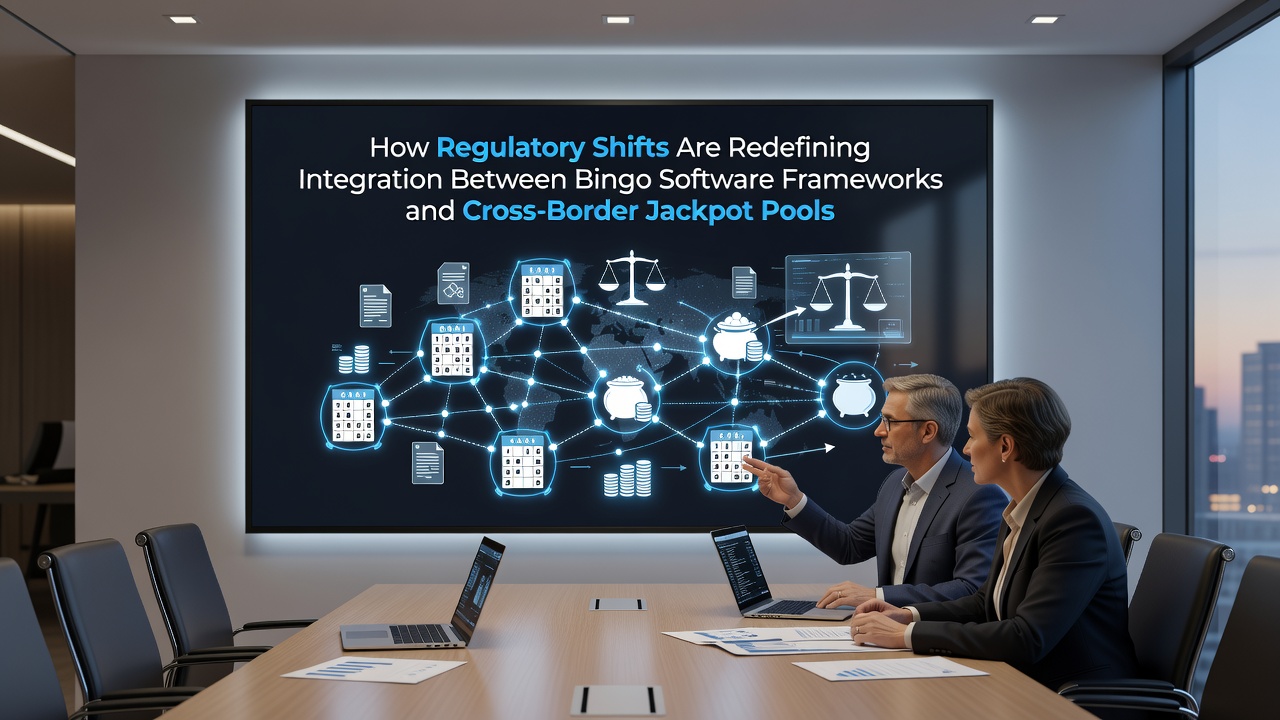
Regulatory adjustments in several jurisdictions have started to influence how bingo software frameworks link with cross-border jackpot pools, and these modifications require developers to update data handling protocols along with verification systems while maintaining seamless player experiences across borders. Observers note that changes in licensing conditions and reporting standards have forced platform operators to redesign their integration layers so they align with updated legal expectations in multiple regions at once.
Key Regulatory Developments Across Regions
Data from the Malta Gaming Authority shows that revised guidelines on pooled prize structures took effect in early 2025, and these rules now demand clearer separation between local and international jackpot contributions along with enhanced audit trails for every transaction that crosses national lines. Similar updates have appeared in Australia where the Australian Communications and Media Authority introduced new transparency measures for networked gaming systems in mid-2025, and these measures require real-time reporting of jackpot allocations to ensure compliance with consumer protection standards.
Meanwhile Canadian provincial regulators have begun requiring additional player age verification steps before participation in any multi-jurisdiction prize pool, and this requirement has prompted software providers to embed modular compliance checks directly into their core frameworks rather than treating them as optional add-ons. Research indicates that such layered verification processes reduce the risk of unauthorized cross-border entries while preserving the speed that players expect during live draws.
Technical Adjustments in Software Frameworks
Bingo software developers have responded by building flexible API endpoints that can toggle between different regulatory modes depending on the player's location, and these endpoints now incorporate automated tax calculation modules that adjust prize distributions based on the rules of each participating jurisdiction. Those who've examined recent platform updates observe that modular architecture allows operators to activate or deactivate jackpot sharing features without rebuilding entire systems from scratch.
Encryption standards have also tightened because new rules emphasize secure transmission of player data between servers located in separate countries, and developers have integrated advanced tokenization methods that mask sensitive details during the synchronization of jackpot meters. This approach keeps the central pool accurate yet protects individual records from unnecessary exposure.
Effects on Cross-Border Jackpot Operations
Cross-border jackpot pools now operate under stricter contribution caps in certain markets, and these caps prevent any single jurisdiction from dominating the overall prize accumulation. Figures reveal that operators have adjusted their pooling algorithms to respect these limits while still delivering the large progressive sums that attract participants. Integration between software frameworks and these pools therefore involves continuous monitoring scripts that flag when contributions approach regulatory thresholds.
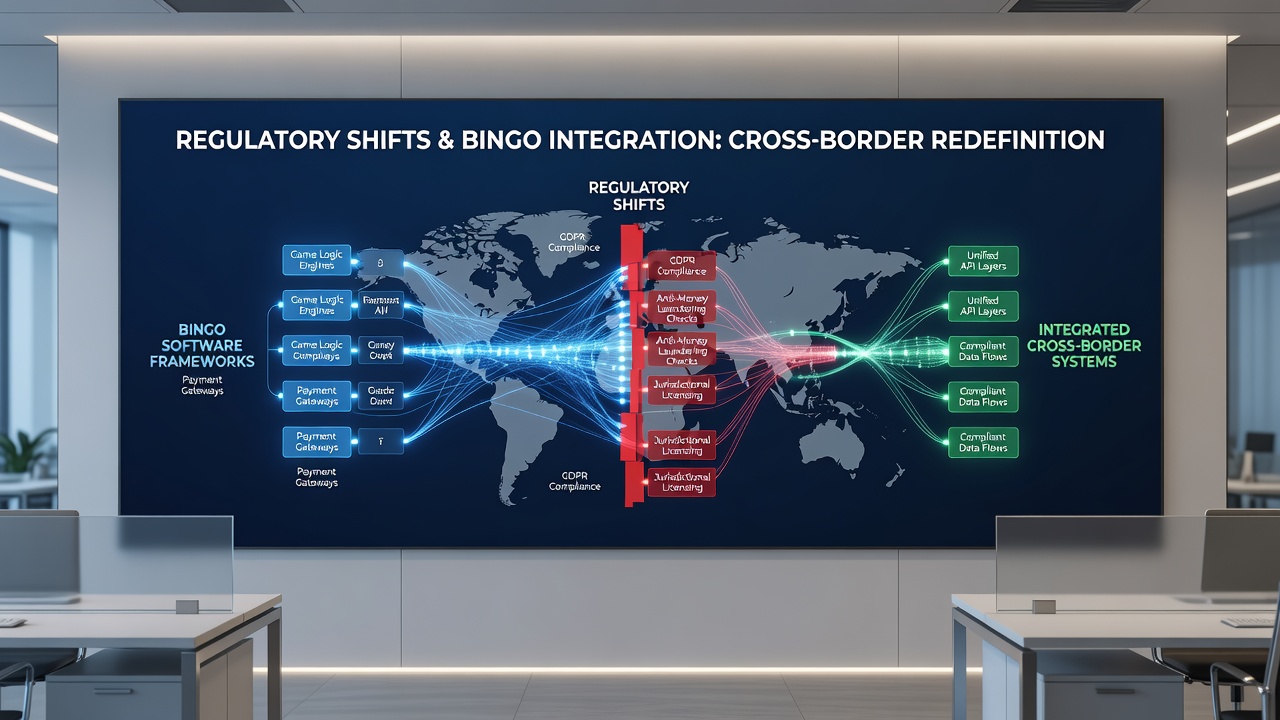
One study from the University of Nevada Gaming Research Center examined how synchronization delays affect player trust, and it found that frameworks equipped with predictive load balancing maintained consistent jackpot displays even during peak traffic periods across multiple time zones. Such technical refinements help operators avoid the appearance of disconnected systems when regulations demand separate ledgers for each region.
Implementation Timeline and October 2026 Updates
Many platforms are preparing for additional compliance layers scheduled to activate in October 2026, and these layers will require full disclosure of all software vendors involved in jackpot calculations along with independent third-party certification of the algorithms used. Industry reports suggest that operators who began modular upgrades earlier have encountered fewer integration hurdles during preliminary testing phases.
Those monitoring the sector note that training programs for compliance teams have expanded to cover both legal interpretation and technical implementation, and this dual focus ensures that staff can address questions from regulators about data flows between bingo engines and international prize systems. The ball remains in the operators' court to demonstrate that their frameworks can adapt without disrupting ongoing games.
Conclusion
Regulatory shifts continue to drive technical evolution in bingo software and cross-border jackpot integration, and the result is a more segmented yet still interconnected network of prize pools that respects local rules while delivering shared excitement. Platforms that invest in adaptable frameworks position themselves to meet future requirements as additional jurisdictions refine their approaches to networked gaming.