Buzz Bingo Owner Weighs Strategic Sale or Investment After Revenue Climbs
Vera Sullivan · Oct 15, 2026

Buzz Bingo Owner Weighs Strategic Sale or Investment After Revenue Climbs
ICG, the owner of Buzz Bingo since the 2021 acquisition, has brought in bankers including Oakvale Capital to review options for a sale or fresh capital injection aimed at speeding up expansion, and this development arrives alongside the operator's latest financial results that show an 11 percent revenue increase to £241.4 million for the most recent full year. Double-digit gains appeared in both the retail and online segments while the business added 190,000 new retail customers, half of whom were under the age of 35.
Company Scale and Recent Performance
Buzz Bingo operates more than 75 clubs across the United Kingdom adn employs over 2,000 people, which positions it among the larger players in the domestic bingo market. Revenue growth reached 11 percent and reached £241.4 million, reflecting steady expansion in traditional venues as well as digital channels. The influx of 190,000 fresh retail customers included a notable share of younger adults, and observers note that this demographic shift could support longer-term stability for the chain.
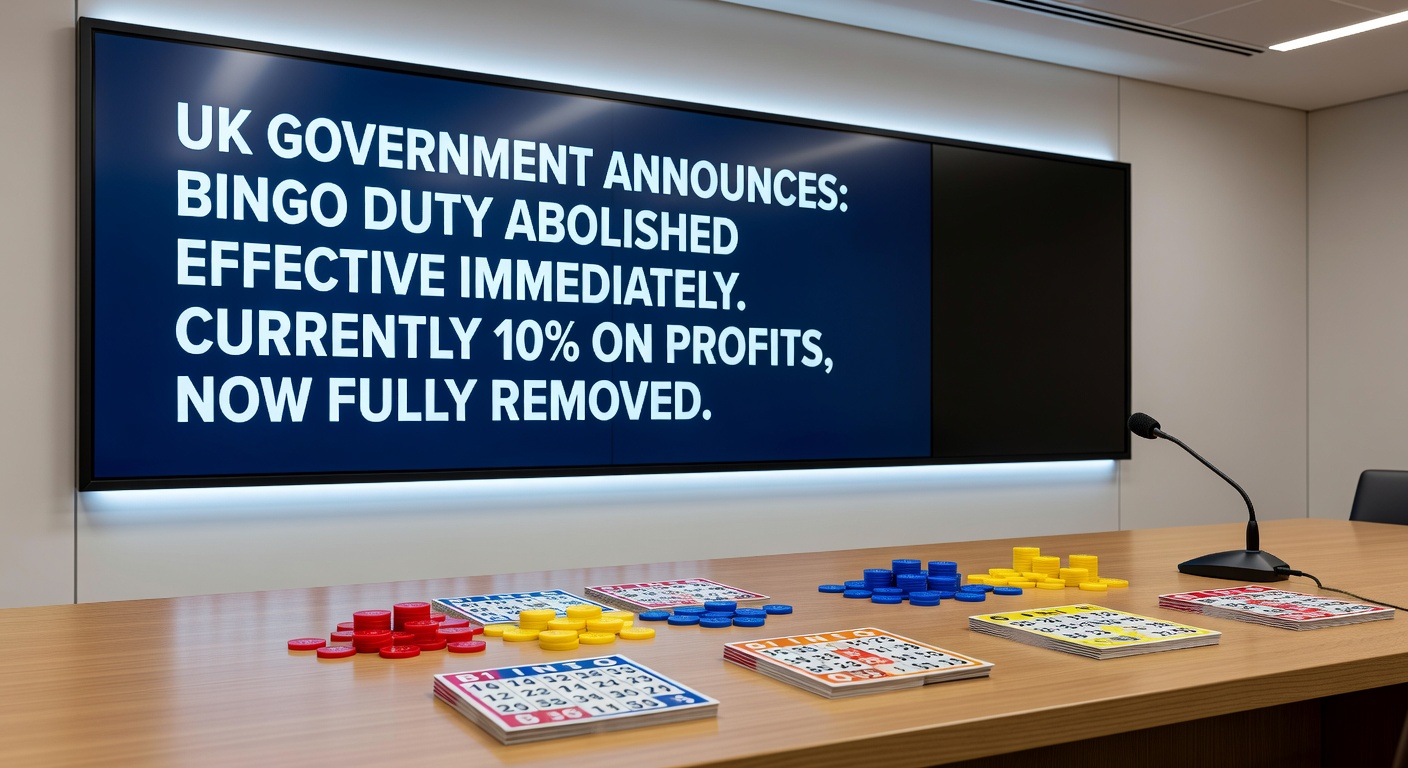
Those figures emerged just as the company initiated talks with financial advisers, and the appointment of Oakvale Capital alongside other bankers signals an intent to test market interest in either an outright sale or new funding rounds. The timing coincides with the period after Bingo Duty was removed earlier in 2026, an adjustment that altered the tax landscape for bingo operators even while separate concerns about machine games duty remain on the table ahead of the autumn Budget.
Industry Tax Environment in October 2026
Warnings from within the sector highlight possible increases to machine games duty that could affect club margins, and such changes would land at a moment when many operators are still adjusting to the earlier removal of Bingo Duty. The current discussions around the Budget therefore carry direct implications for venue viability, particularly for chains that rely on a mix of table games and electronic machines. Data from government fiscal updates indicate that any upward revision in machine games duty rates would be felt most acutely by larger retail networks that maintain extensive physical footprints.
ICG acquired the Buzz Bingo portfolio in 2021, and the subsequent years have seen both organic growth and operational adjustments that culminated in the current revenue milestone. The move to explore a transaction or investment round therefore represents a logical next step for owners seeking either an exit or additional resources to scale further. Industry reports compiled by international bodies such as the OECD tax policy division show how duty structures in multiple jurisdictions influence operator strategies, and similar dynamics appear to be at work here.
Strategic Options Under Review
Bankers have been tasked with gauging appetite from potential buyers or investors who might accelerate growth initiatives, and this process typically involves reviewing financial performance, customer acquisition trends, and regulatory risks. The 11 percent revenue rise, paired with balanced advances in both retail and online, provides a concrete basis for those conversations. Half of the 190,000 new retail customers fall below age 35, which supplies evidence of successful outreach to a demographic that many traditional bingo venues have historically struggled to attract.
While the precise outcome of the review remains unknown, the appointment of advisers marks a clear signal that ICG is open to structural change. Multiple club operators have faced comparable decisions in recent years when revenue growth coincides with shifting tax pressures, and the current environment in October 2026 reflects that pattern. Sources from the HM Treasury fiscal outlook outline how duty adjustments feed into broader Budget calculations, and those calculations now include the potential for machine games duty revisions.
Broader Context for Bingo Operators
Retail bingo continues to draw large numbers of visitors despite competition from digital platforms, and the addition of nearly 190,000 new customers demonstrates sustained demand. Growth in the online segment has run in parallel, which allows the business to capture players across multiple channels. The combination of these trends produced the £241.4 million revenue total and the associated 11 percent increase.
Tax policy remains a variable that can alter operating costs quickly, and the earlier abolition of Bingo Duty in 2026 already changed one part of the equation. Any subsequent rise in machine games duty would affect a different revenue stream, and sector analysts have flagged that possibility ahead of the Budget. The review launched by ICG therefore takes place against a backdrop where both opportunity and regulatory uncertainty coexist.
Conclusion
The decision by ICG to appoint bankers including Oakvale Capital reflects a response to measured financial progress alongside ongoing tax discussions. Revenue reached £241.4 million after an 11 percent rise, customer numbers grew substantially, and the company now sits at a point where external capital or ownership changes could shape its next phase. Developments around machine games duty and the prior removal of Bingo Duty continue to influence the operating climate for UK bingo chains as October 2026 progresses.